



Sleep Apnea Treatment in Arlington Heights, Elgin, and Lake Zurich, IL
Sleep apnea is a common but serious disorder that affects your ability to get restful, uninterrupted sleep. If you’ve ever experienced loud snoring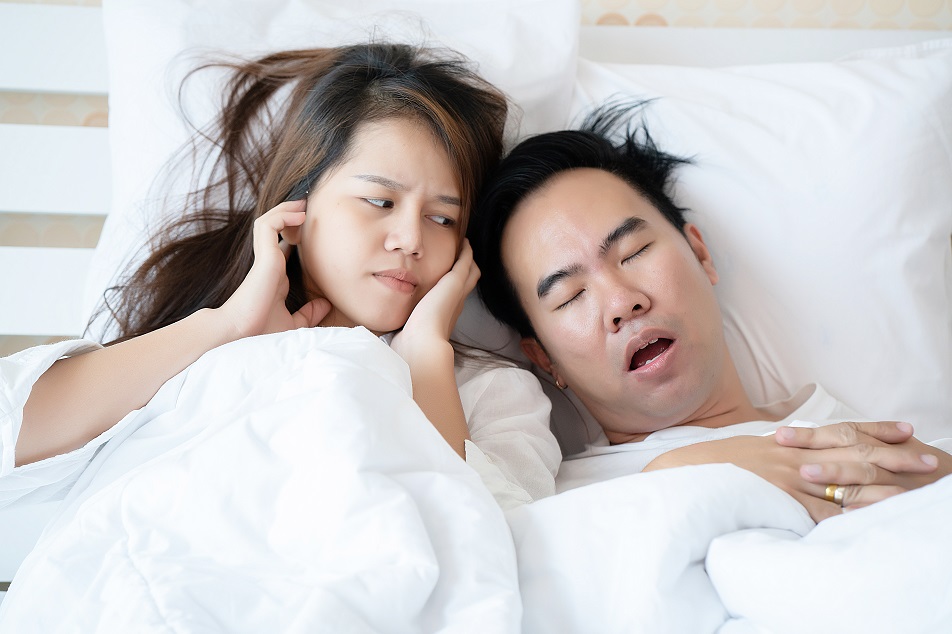 followed by pauses in breathing during the night, you might be dealing with sleep apnea. This condition can leave you feeling exhausted, affect your mood, and increase your risk of serious health problems like high blood pressure, heart disease, stroke, and diabetes.
At our practice, we specialize in diagnosing and treating sleep apnea with personalized solutions designed to improve your sleep quality and overall health. Whether you’re seeking non-invasive methods or advanced surgical options, we’re here to help you take control of your sleep.
Common Symptoms of Sleep Apnea
Recognizing the symptoms of sleep apnea can help you seek treatment before the condition worsens. Common signs include:
- Loud, persistent snoring that may disturb your partner
- Gasping or choking during sleep
- Excessive daytime fatigue despite a full night’s sleep
- Irritability or mood swings
- Difficulty focusing or remembering due to disrupted sleep
Risk Factors for Sleep Apnea
There are several factors that increase your risk for sleep apnea. These include:
- Obesity and excess weight
- Age (especially over 40)
- Family history of sleep apnea
- Gender (men are more likely to develop sleep apnea)
- Smoking and alcohol consumption
- Nasal issues that interfere with airflow
If you’re at risk, it’s essential to get evaluated early, as untreated sleep apnea can lead to long-term health complications.
Non-Surgical Treatment Options
For many patients, non-surgical treatments can successfully manage sleep apnea. These include:
- CPAP Therapy: Continuous Positive Airway Pressure (CPAP) uses a machine that keeps your airway open while you sleep, preventing breathing interruptions.
- Dental Appliances: A custom-fitted device that repositions your jaw to help keep your airway clear during sleep.
- Lifestyle Changes: Simple changes like weight loss, avoiding alcohol before bed, and sleeping on your side can reduce sleep apnea symptoms.
- Positional Therapy: For those whose symptoms worsen when sleeping on their back, this therapy helps you maintain a more favorable sleeping position.
Surgical Treatment Options
When non-surgical methods aren’t enough, surgical intervention may be necessary. Some of the available surgical options include:
- Nasal Surgery: To remove blockages in the nasal passages and improve airflow.
- Palatal and Pharyngeal Surgery: To address excess tissue or other obstructions in the throat.
- Maxillofacial Surgery: Jaw surgery to reposition the upper and lower jaw for improved airflow.
- Tracheotomy: A procedure in more severe cases, where a small opening is made in the windpipe to allow for uninterrupted breathing.
Comprehensive Diagnosis and Treatment Plan
Accurately diagnosing sleep apnea is the first step toward effective treatment. We use advanced diagnostic tools, including sleep studies, to evaluate your condition thoroughly. We offer both in-office and at-home sleep studies to make it easier for you to get tested. After your diagnosis, our team will work with you to develop a tailored treatment plan that addresses your specific needs and goals.
Insurance and Financing
We understand that seeking treatment can be a financial burden. That’s why we accept a wide variety of insurance plans, and we also offer flexible financing options to make sleep apnea treatment more accessible. Our team will help you navigate your insurance benefits and explore all available options to ensure you get the care you need.
Patient Success Stories
“I never realized how much my sleep apnea was affecting my life until I started treatment. After using a CPAP machine, I feel more energized and alert during the day, and I don’t wake up gasping for air anymore. I’m so grateful for the care I received!” – Sarah L., Sleep Apnea Patient
“After years of restless nights, I decided to try a dental appliance. It’s been a game-changer! I no longer snore, and my partner finally sleeps soundly. I wake up feeling refreshed and ready to take on the day.” – Mark T., Sleep Apnea Patient
Frequently Asked Questions about Sleep Apnea:
What are the signs of sleep apnea?
Common signs of sleep apnea include loud snoring, gasping for air during sleep, excessive daytime fatigue, morning headaches, difficulty concentrating, and waking up feeling unrested. If you experience these symptoms, a sleep evaluation may be recommended.
How is sleep apnea diagnosed?
Sleep apnea is typically diagnosed through a sleep study that monitors breathing patterns, oxygen levels, and sleep quality. Your physician may recommend either an at-home sleep test or an overnight sleep study in a clinical setting.
What happens if sleep apnea goes untreated?
Untreated sleep apnea can increase the risk of serious health problems, including high blood pressure, heart disease, stroke, diabetes, and chronic fatigue. Treatment can improve both your sleep quality and overall health.
Can I be treated if I cannot tolerate a CPAP machine?
Yes. While CPAP therapy is often the first line of treatment, some patients find it difficult to use. Depending on the cause and severity of your sleep apnea, alternatives such as oral appliances or surgical treatment may be recommended.
How can an oral appliance help with sleep apnea?
A custom oral appliance works by repositioning the lower jaw and supporting the airway during sleep. This can help reduce airway obstruction and improve breathing for patients with mild to moderate obstructive sleep apnea.
When is surgery recommended for sleep apnea?
Surgery may be considered when non-surgical treatments are ineffective or when anatomical issues are contributing to airway blockage. An oral and maxillofacial surgeon can evaluate your airway and determine if surgery is an appropriate option.
How does jaw surgery help treat sleep apnea?
Jaw surgery can reposition the upper and lower jaws to create more space in the airway. By increasing airflow and reducing airway collapse during sleep, this procedure may significantly improve obstructive sleep apnea symptoms.
Will insurance cover sleep apnea treatment?
Many medical insurance plans provide coverage for sleep studies, CPAP therapy, oral appliances, and medically necessary sleep apnea surgery. Coverage varies by provider and plan, and our team can help you understand your benefits.
Take the First Step Toward Better Sleep
If you’re tired of feeling exhausted and want to improve your sleep and health, we’re here to help. Don’t wait for your condition to worsen—schedule your free consultation today and discover the best treatment options for you. We’re committed to helping you sleep better and live better.